
The Ethics of Scientific Ambition
Smilla's Sense of SnowThis thread explores how scientific curiosity becomes entangled with fame, exploitation, and disregard for living beings.
increasing Bearing strength in each event
 decreasing
Bearing strength in each eventdecreasingThe Ambitious Professor
The Ambitious Professor
Recognition as Motive
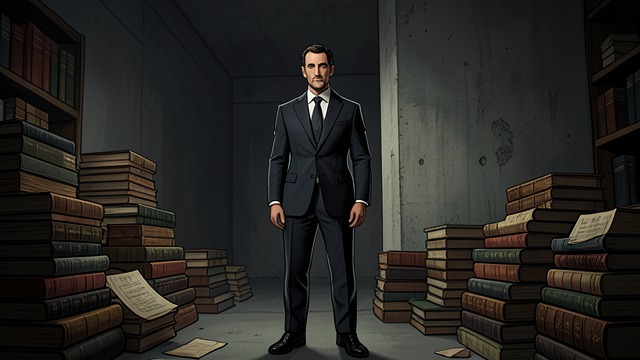
Johannes Loyen seeks to be regarded as the best in his field. His ambition helps him build institutions and conduct far-reaching work.
A Dangerous Boundary
The same drive makes ethical limits appear negotiable. Scientific excellence becomes a justification for actions that others would reject.
The Human Experiment

The Human Experiment
An Unexpected Parasite
Loyen discovers a parasite in the expedition dead and later studies its ability to survive in human tissue. The scientific question becomes an experiment on people.
Research Without Consent
The pursuit of knowledge crosses into deliberate harm. The language of research cannot make the victims’ suffering incidental.
Isaiah as a Test Case
Isaiah as a Test Case
Observation Disguised as Care
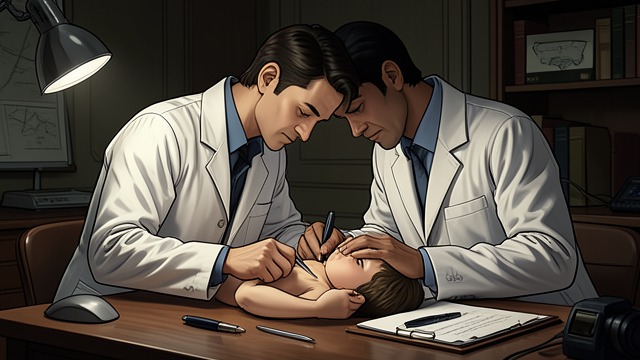
Loyen examines Isaiah repeatedly to determine whether he carries the parasite. His medical attention serves the expedition’s interests rather than the child’s welfare.
A Final Sample
After Isaiah dies, someone takes a muscle biopsy. The procedure reveals how far scientific curiosity has displaced respect for the dead.
The Stone as Commodity
The Stone as Commodity
Discovery for Sale
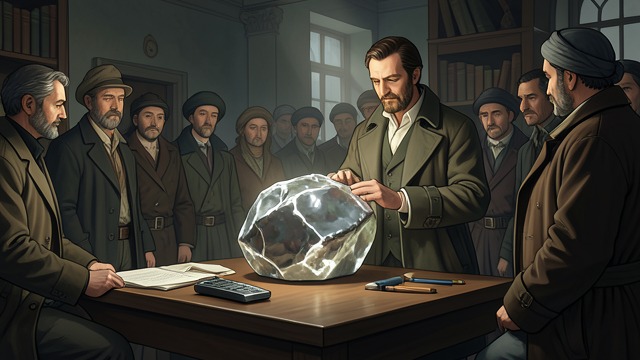
Tørk values the meteorite for its size, possible contents, and public impact. A scientific object becomes an asset that can be displayed and sold.
Belief as a Tool
He expects anticipation to make the stone meaningful regardless of what it truly is. Public wonder becomes part of the business plan.
Knowledge Without Responsibility
Knowledge Without Responsibility
A Discovery With Consequences
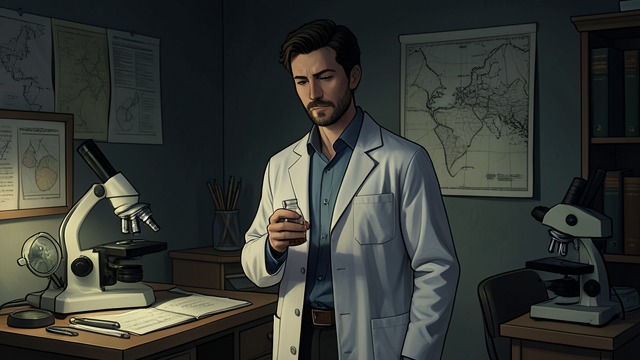
Smilla recognizes that the parasite may kill its host and could spread beyond the glacier. Recovering it without understanding it risks catastrophe.
The Moral Measure
The central question is not whether the expedition can succeed technically, but whether it has the right to proceed. Scientific power demands restraint.
From the mid-twentieth century onward
After the 1966 expedition
In the months before Isaiah’s death
On the Kronos voyage
At the ice cave climax
